
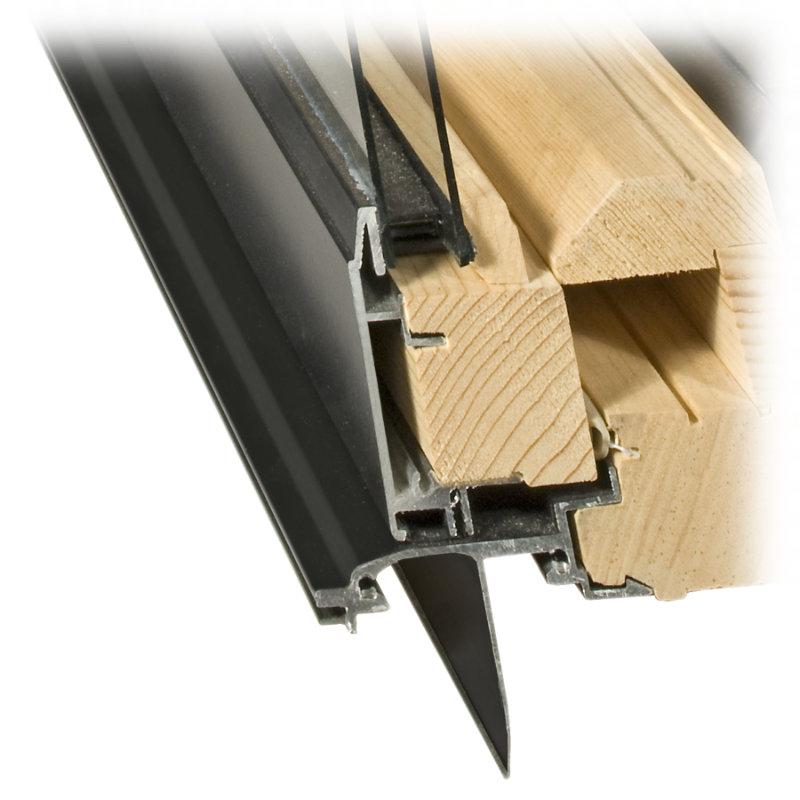
Outdated windows can drain your comfort and spike energy bills without warning. Choosing the right replacement windows in Tulsa means balancing style, performance, and long-term savings. This guide breaks down everything you need to know—from materials and glass types to installation and warranties—to help you make smart decisions for your home. For more insights, check out how to choose the right replacement windows for your home. And when considering replacement windows in Tulsa, always weigh your options carefully.
Selecting the Right Window Material
Choosing the right window material is key to ensuring comfort and efficiency in your home. Let’s explore the options to find the best fit for your needs, especially when deciding on replacement windows in Tulsa.
Comparing Vinyl and Fiberglass
Vinyl and fiberglass windows each offer distinct benefits. Vinyl windows are popular for their affordability and minimal upkeep. They resist moisture and fading, making them a practical choice for Tulsa’s varied climate. On the other hand, fiberglass windows provide remarkable strength and stability. They handle extreme weather well, ensuring long-lasting performance. While vinyl is budget-friendly, fiberglass offers a premium look and feel, often resembling traditional wood.
Benefits of Aluminum and Wood
Aluminum windows score high on durability. They are sleek and modern, perfect for homes with a contemporary design. However, they may not insulate as well as other materials, which could impact energy efficiency. Wood windows bring warmth and charm to any home. They are excellent insulators, maintaining a comfortable interior climate. Though they require more maintenance, their aesthetic appeal and insulating properties often justify the investment.
Steel-Clad for Durability
Steel-clad windows stand out for their exceptional strength. They are highly resistant to harsh weather conditions, providing robust protection for your home. This makes them a smart choice for storm-prone areas. Despite being heavier, their slim frames allow for larger glass panels, enhancing natural light and views. Remember, steel-clad windows might come with a higher price tag, but their longevity and security benefits often outweigh the cost.
Understanding Glass Packages
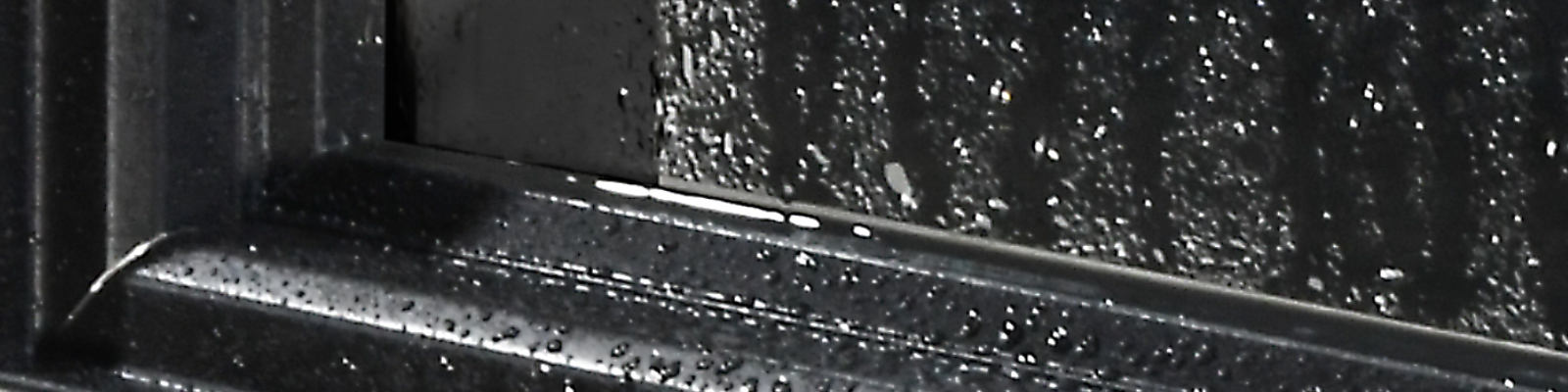
Glass choices impact energy efficiency and comfort. Discover the right glass package for your Tulsa home, balancing cost and performance. Replacement windows in Tulsa can include advanced glass packages for better savings.
Low-E Glass for Efficiency
Low-E glass is designed to enhance energy efficiency. It features a special coating that minimizes heat transfer. This keeps your home cooler in summer and warmer in winter, reducing energy bills. Low-E coatings are nearly invisible, so they won’t affect your view. Incorporating Low-E glass in your windows is a smart move for improving your home’s energy efficiency in Oklahoma’s diverse climate.
Double Pane vs Triple Pane
Choosing between double pane and triple pane windows depends on your insulation needs. Double pane windows have two layers of glass with a gap in between, providing basic insulation. Triple pane windows add an extra layer, boosting insulation and noise reduction. If you live in a particularly noisy area or experience extreme temperatures, triple pane windows may offer the best solution for maintaining comfort inside your home.
Argon and Krypton Gas Options
Filling the space between window panes with argon or krypton gas enhances insulation. Argon is more common and cost-effective, providing excellent thermal performance. Krypton, while pricier, offers superior insulation due to its higher density. The choice between argon and krypton often hinges on budget and specific insulation goals. Both options significantly improve your home’s energy efficiency, keeping your living space comfortable year-round.
Evaluating Performance and Installation
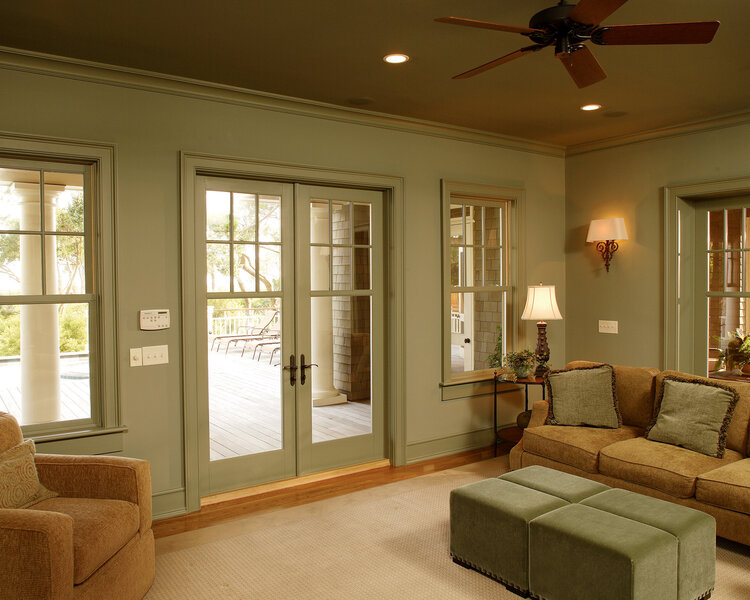
Understanding window performance and quality installation is crucial for maximizing benefits. Here’s what to consider when planning for replacement windows in Tulsa.
Importance of U-Factor and SHGC
The U-Factor measures how well a window prevents heat loss. Lower numbers indicate better insulation. The Solar Heat Gain Coefficient (SHGC) measures how much solar radiation passes through. A lower SHGC is ideal for reducing cooling costs in hot climates like Tulsa. Both metrics are critical for assessing a window’s energy performance. Choosing windows with optimal U-Factor and SHGC ratings can lead to significant energy savings.
Ensuring Quality Window Installation
Quality installation is as important as the windows themselves. Improper installation can lead to air leaks and reduced efficiency. It’s essential to hire experienced professionals who understand the intricacies of window fitting. Ensuring a snug fit and proper sealing will prevent drafts and enhance your home’s comfort. Quality installers will also check for potential issues, safeguarding your investment over time.
Warranty and Long-Term Value
A robust warranty offers peace of mind and protects your investment. Look for warranties that cover both materials and installation. This ensures long-term support if issues arise. A good warranty reflects the manufacturer’s confidence in their product. Investing in windows with comprehensive warranties can save money on future repairs and enhance your home’s value, making them a wise choice for homeowners in Tulsa.
Frequently Asked Questions
What is the best window material for Tulsa’s climate?
Vinyl and fiberglass are popular choices due to their durability and low maintenance. Fiberglass is especially good for extreme weather, while vinyl offers affordability.
How does Low-E glass improve energy efficiency?
Low-E glass reduces heat transfer, keeping homes cooler in summer and warmer in winter. This leads to lower energy bills and increased comfort.
Are triple pane windows worth the extra cost?
Yes, if you need superior insulation and noise reduction. They are ideal for noisy environments and extreme temperatures, offering enhanced comfort.
What should I look for in a window warranty?
Seek warranties that cover both materials and installation for the best protection. A comprehensive warranty reflects product quality and ensures long-term support.
Why are U-Factor and SHGC important in window selection?
They measure energy performance and solar heat gain. Choosing windows with optimal ratings enhances energy efficiency and comfort, reducing overall energy costs.