
Standard window sizes often seem straightforward until you start measuring for your Tulsa home. Getting the rough opening for windows just right can save you time and money down the road. In this guide, you’ll find clear window size charts and tips on when custom windows Tulsa homeowners trust make the most sense. Let’s help you choose windows that fit perfectly and boost your home’s comfort and style.
Understanding Standard Window Sizes
In the quest for the perfect window fit, understanding standard sizes is essential. This foundation aids in avoiding costly missteps and streamlines your selection process.
Common Window Dimensions
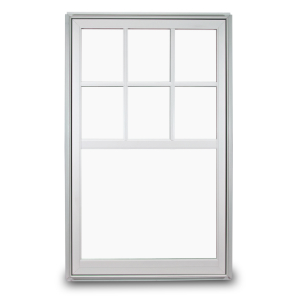
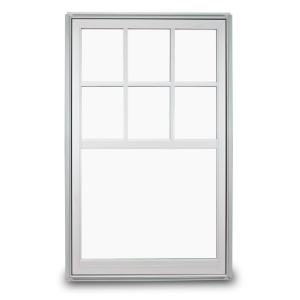
Window sizes come in a variety of standard dimensions, making it easier for homeowners and contractors to find a suitable fit. For instance, double-hung window sizes typically range from 24 to 48 inches in width and 36 to 72 inches in height. This flexibility suits most rooms, whether you’re updating the living room or adding light to a bedroom. Meanwhile, casement window dimensions provide a more contemporary look, often ranging from 14 to 35.5 inches wide and 29 to 77.5 inches tall.
Picture window sizes can vary widely, with common widths from 2 to 8 feet, offering expansive views and ample sunlight. For those needing a practical option, slider window sizes are a hit, with standard sizes from 36 to 84 inches in width and heights typically at 24 to 60 inches. Each type provides unique benefits, fitting different spaces and styles seamlessly.
Rough Opening for Windows
Getting the rough opening right is crucial for a tight fit and optimal insulation. The rough opening should generally be 2 inches wider and 2 inches taller than the actual window size. This extra space allows for proper installation and adjustments, ensuring the window operates smoothly.
Imagine fitting a new window into an old frame without this allowance—it might stick or not seal properly, causing drafts. Always measure multiple times, checking both the width and height at different points, as walls can shift and settle over time. A small oversight here can lead to headaches later, so taking the time to measure accurately pays off.
Measuring Tips for Homeowners
Measuring windows can seem daunting, but it doesn’t have to be. First, grab a reliable tape measure, a pencil, and a notepad. Start by measuring the width at the top, middle, and bottom of the opening. Repeat this for the height on the left, center, and right sides. Why the multiple measurements? Because frames can warp slightly over time.
Jot down the smallest measurement for both width and height. This ensures your new window will fit snugly without being too small. And don’t forget: if your home is in Tulsa, you might want energy-efficient windows to combat Oklahoma’s weather swings.
When to Choose Custom Windows
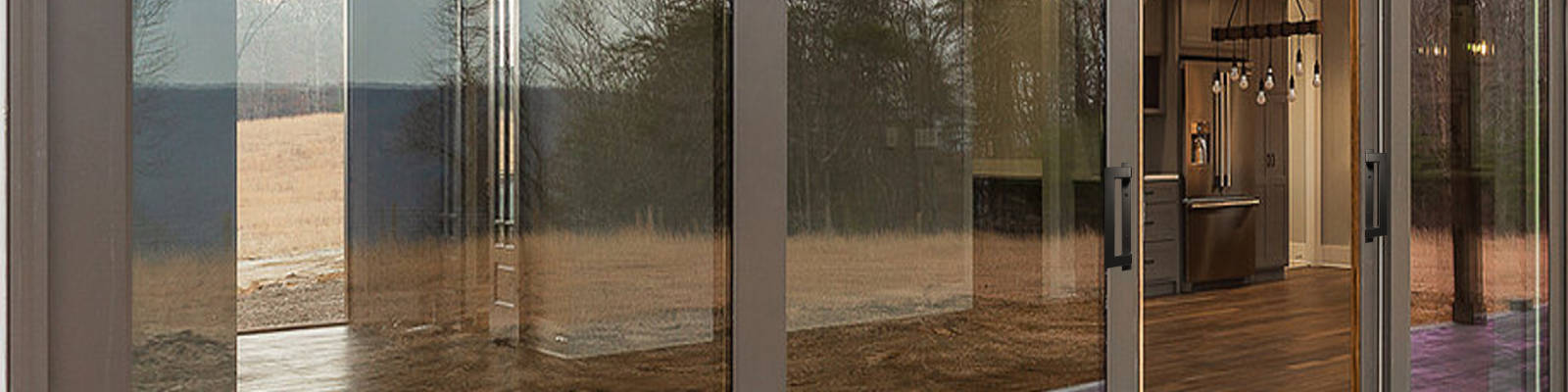
Sometimes, standard sizes just won’t cut it. Custom windows offer a tailored solution that meets your specific needs. Whether it’s for an unusual space or achieving a certain aesthetic, custom options provide flexibility.
Benefits of Custom Solutions
Custom windows can transform your home. They allow you to choose materials, such as vinyl or fiberglass, to match your style and improve energy efficiency. Unique shapes and sizes can make a room pop, turning an ordinary view into a stunning feature. Plus, they ensure a perfect fit every time, reducing drafts and enhancing comfort.
You get the chance to incorporate modern technologies like low-E glass, which reflects heat, keeping your home cosy in winter and cool in summer. Custom windows are not just about looks—they’re an investment in your home’s comfort and value.
Historic Window Replacement
Replacing windows in historic buildings requires a delicate balance between preservation and modern performance. It’s not just about finding the right size; it’s about maintaining the character of the building. Custom windows can replicate original designs while incorporating modern materials for improved durability and thermal efficiency.
For historical projects, like the Marion Hotel in Oklahoma City, the focus is on blending the old with the new. This ensures the building retains its charm while meeting current safety and energy standards. A skilled provider can help navigate these challenges, ensuring compliance with local regulations and historical guidelines.
New Construction Considerations
When planning new construction, custom windows offer limitless possibilities. They allow for design freedom, enabling architects and builders to execute their vision without compromise. You can select from a variety of styles and finishes to match the overall aesthetic of the home.
For those in Tulsa, choosing custom windows means you can tailor solutions to combat local weather challenges. It might mean opting for thicker glass or specialized coatings to handle the heat and storms synonymous with the region. The key is to plan early and consult with experts who understand the local climate and building codes.
Energy Efficiency and Local Codes
Energy efficiency is more than a trend; it’s a necessity. Knowing your options in glass types and understanding local codes can help you make informed window choices.
Low-E Glass and Energy-Efficient Options
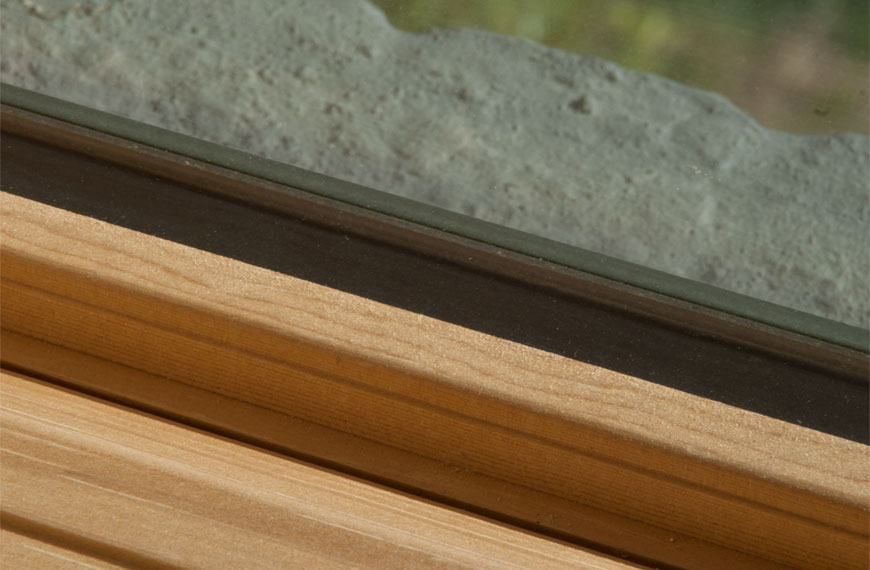
Low-E glass is a game-changer for reducing energy costs. It features a thin metallic coating that reflects infrared light, keeping heat inside in winter and outside in summer. This helps maintain a consistent indoor temperature, reducing the need for heating and cooling systems. In Tulsa, where weather can be unpredictable, this can lead to significant savings.
Consider pairing low-E glass with vinyl or fiberglass frames for an even greater impact. These materials naturally insulate and resist wear, adding to the window’s overall efficiency. Choosing energy-efficient windows is an investment in both comfort and cost savings.
Egress Window Code Oklahoma
When installing windows in basements or bedrooms, the egress window code is critical. Egress windows must be large enough to allow for an emergency exit. In Oklahoma, this means a window must have an opening of at least 5.7 square feet. The minimum width and height are typically 20 inches and 24 inches, respectively.
Meeting these requirements is not just about compliance; it’s about safety. Ensuring your home adheres to these codes protects your family and can also enhance property value. Always consult local regulations and work with a knowledgeable installer to ensure compliance.
U-Factor Considerations in Oklahoma
The U-factor measures how well a window prevents heat from escaping. A lower U-factor indicates better insulation, making it crucial for energy efficiency. For Oklahoma homes, selecting windows with a U-factor of 0.35 or lower is ideal for minimizing heat loss during colder months.
Understanding the U-factor helps you choose windows that keep heating costs low while maintaining comfort. When shopping, look for windows with ratings that meet or exceed local energy codes. Not only does this improve your home’s efficiency, but it also contributes to a greener environment.
In summary, whether you’re considering standard options or custom solutions, understanding these aspects can guide you in making informed decisions for your home. Each choice impacts not just aesthetics but also comfort and energy use, ensuring your home remains a sanctuary no matter the season.